28 Might 2025 | Up to date Date: 27 Aug 2025, Learn Time : 6 Min
440
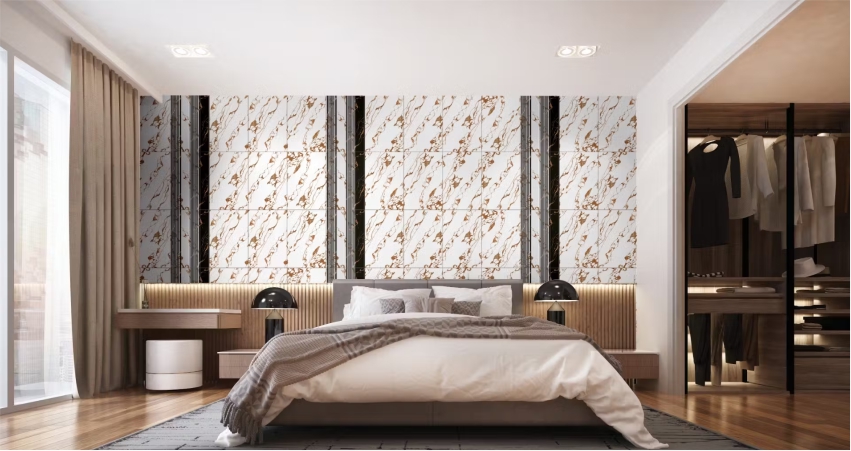
In the case of designing houses, partitions are extra than simply structural components — they’ve turn out to be fashion statements. From intricate mandir corners to eye-striking lounge accent partitions, the way you incorporate tiles into your partitions could make or break the general look of your residing house. However with so many decisions on the market, which one ought to you choose?
Owners and renters throughout India consistently search for wall options to make their partitions look lovely at inexpensive charges. Whether or not you might be residing in a rented condominium in Bengaluru or planning to renovate your house in Delhi, the kind of wall tile you decide can range based mostly on longevity, local weather, and price.
This weblog will give a information on peel-and-stick vs conventional tiles, and show you how to perceive which one is healthier between these standard wall tile decisions. So, let’s get began!
What are Peel-and-Stick Tiles?
The peel-and-stick tiles are a particular sort of tile that’s produced from supplies like vinyl, gel, or composite laminate. You possibly can consider them like an enormous sticker that mimics the look of an actual tile and comes with an adhesive layer, which you’ll be able to peel from the plastic or paper backing to stay on any floor. They’re engineered to supply a easy, mess-free utility to improve any house.
These self-adhesive wall tiles have turn out to be fairly standard in city cities, particularly amongst college students, renters, and younger professionals residing in rental flats. From PGs to shared flats, they will rapidly rework any house’s character with out main alterations.
Professionals of Peel-and-Stick Tiles
-
Reasonably priced Makeover Possibility:
Peel-and-stick tiles come at Rs.40 to Rs.100 per sq. foot. So, they provide an economical option to refresh any setting with out being heavy in your pockets.
No instruments, no skilled assist, no mess. These simple DIY wall tiles are good for individuals who desire a weekend mission or just dislike coping with mess or mud.
These tiles are available numerous designs — from minimalist white subway tiles to colourful mosaic prints. So, they’re a handy selection for contemporary decor lovers.
You possibly can peel them off simply with out damaging the wall beneath. So, for those who want short-term wall tiles for rented houses, go for these tiles so as to add a private contact to their house with out risking their deposit.
These tiles are good for short-term wants, like festive decorations or pre-wedding photograph setups.
Cons of Peel-and-Stick Tiles
Peel-and-stick tiles final about one to 2 years and will begin coming off sooner in scorching or humid climatic areas, like Delhi and Kolkata.
-
Not Appropriate for Moist Areas:
Keep away from utilizing these tiles for kitchen backsplashes close to stoves or on rest room partitions. Warmth and moisture can decrease the adhesive’s energy and trigger the tiles to warp.
Although their designs are good, the tactile look and feel normally don’t match the authenticity of actual tiles.
Since they’re produced from PVC or different non-biodegradable supplies, they could launch VOCs (unstable natural compounds). So, they don’t seem to be eco-friendly and likewise elevate well being considerations.
What are Conventional Tiles?
Conventional tiles seek advice from the tiles which might be produced from well-established supplies like ceramic, vitrified, and porcelain. These tiles have lengthy been utilized in Indian buildings, particularly for wall functions in kitchens, bogs, and exterior settings.
Ceramic tiles for partitions, produced from clay and glazed with numerous finishes, are recognized for his or her moisture resistance, affordability, and flexibility. Vitrified choices provide low porosity, low upkeep, and are perfect for partitions in several areas, together with moist areas like bogs and kitchens. Porcelain decisions even have a low water absorption fee and might work in numerous environments.
Designs of conventional wall tiles, like marble, stone, patterned, and mosaic, are extensively utilized in Indian houses, impressed by Indian architectural tradition.
Professionals of Conventional Tiles
With a lifespan of 10 to 30 years, conventional tiles can survive in each setting, together with outside, the place they’ve to resist the harshest climate circumstances. So, if you’re on the lookout for long-lasting wall tiles in India, go for these tiles.
-
Good for All Indian Climates:
Whether or not it’s the scorching summers of Jaipur or the fixed dampness in Shillong, these tiles keep firmly in place and proceed their glorious efficiency. So, conventional tiles are certainly the perfect wall tiles for the Indian local weather.
-
Brings Actual Worth to Your Residence:
When put in professionally, wall tiles can considerably elevate the aesthetic and resale worth of your property. That’s why they’re typically seen as an indication of permanence and high quality.
From minimalist shiny marble to rustic brick, conventional tiles are available various designs, catering to each style and price range.
Since these tiles are produced from pure supplies, they’re eco-friendly and biodegradable. So, they’re higher than artificial options.
Cons of Conventional Tiles
-
Larger Preliminary Funding:
The price of tiles plus labour expenses may be excessive. However it’s a one-time funding and more practical for individuals on the lookout for a long-term resolution.
-
Labour and Time-Intensive:
It’s essential rent expert tile installers for a exact job. Relying on the world, the job can take a number of days, inflicting inconvenience throughout reworking.
-
Tough to Modify Later:
As soon as laid, conventional tiles are onerous to take away with out damaging the underlying wall floor. So, altering the design wants vital effort and price.
Learn Extra: Totally different Kinds of Tiles Defined
Distinction Between Peel-and-Stick and Conventional Tiles: A Comparability
| Characteristic | Peel-and-Stick Tiles | Conventional Tiles |
| Price Per Sq. Foot | Rs. 40 to Rs. 100 (DIY, no labour) | Rs. 35 to Rs. 392 (Plus labour price – Rs. 30 to Rs. 80) |
| Set up | Straightforward, no mess, DIY | Skilled assist wanted, time-consuming |
| Sturdiness | 1-2 years, could peel in warmth/humidity | Lengthy lasting sturdiness, weather-resistant |
| Aesthetics | Fashionable designs, artificial look | Pure finishes, traditional or luxurious look |
| Upkeep | Wipe-clean, could peel at edges | Low upkeep, extremely immune to climate, stains, and scratches |
| Use Care | Leases, fast fixes, pageant decor | Everlasting options for houses, kitchens, and balconies |
| Local weather Resistance | Poor resistance to humidity/warmth | Wonderful efficiency throughout Indian climates |
| Eco-Friendliness | Constituted of vinyl/PVC, much less sustainable | Constituted of ceramic and vitrified — extra eco-friendly |
| Worth Addition | Non permanent repair, no worth addition | Provides resale and aesthetic worth |
| Customisability | Restricted sizes and types | Numerous decisions — from marble to mosaic. |
Indian Use Circumstances and Eventualities
When Utilizing Peel-and-Stick Tiles Makes Sense:
-
Rented Areas in Huge Cities:
In case you relocate typically or stay in a rental condominium in cities like Bengaluru, Delhi, or Chennai, peel-and-stick tiles allow you to personalise your house with none everlasting modifications.
-
Brief-Time period or Seasonal Use:
You need to use these tiles for festive decor throughout Diwali, Navratri, or for creating Insta-worthy marriage ceremony corners and short-term stalls.
If price and comfort are your high priorities, peel-and-stick tiles provide a good resolution for small rooms or function partitions.
When Conventional Tiles are Higher:
In case you are constructing or renovating your individual home, go for conventional tiles for long-term outcomes.
-
Moisture-Inclined or Excessive-Exercise Areas:
For settings like bogs, kitchens, and verandahs, conventional tiles are the best selection. They’re sturdy, water resistant surfaces.
Whether or not you reside in dry areas like Rajasthan or alongside the moist coasts of West Bengal, conventional tiles can deal with harsh environmental circumstances.
-
Cultural and Non secular Areas:
For pooja rooms or temple partitions, conventional pure stone tiles like marble carry class and magnificence.
Remaining Verdict: Which One is Proper for You?
In case your high considerations are cost-effectiveness, ease, and short-term fashion, decide peel-and-stick tiles. They’re good for college kids, renters, and short-term ornamental wants. However don’t overlook about their limitations in sturdiness and local weather efficiency.
Nonetheless, if you’re designing or renovating a long-term house and need longevity, resale worth, and cultural richness, conventional tiles needs to be your go-to selection. They’re constructed for our way of life, climate, and aesthetic sensibilities. Join with Orientbell Tiles to discover numerous decisions in conventional wall tiles for Indian houses or different settings.
Make your choice in your way of life, price range, location, and whether or not you might be on the lookout for a fast repair or a endlessly resolution.
FAQs
Peel-and-stick tiles sometimes final for 1-2 years, based mostly on high quality, utility, and local weather.
Sure, however just for short-term or rental use. They’re inexpensive and simple to put.
No. Bogs in India typically have excessive moisture, which weakens the adhesive’s energy. So, they could warp or peel off.
Sure, conventional tiles are produced from ceramic and vitrified. They’ll survive in India’s warmth, humidity, and monsoons. So, they’re sturdy, moisture-resistant, and ideal for numerous climates throughout the nation.
With correct set up and care, conventional tiles can final 10 to 30 years. Their resilience, traditional look, and stain-resistant property make them a long-term, cost-effective selection for Indian houses.