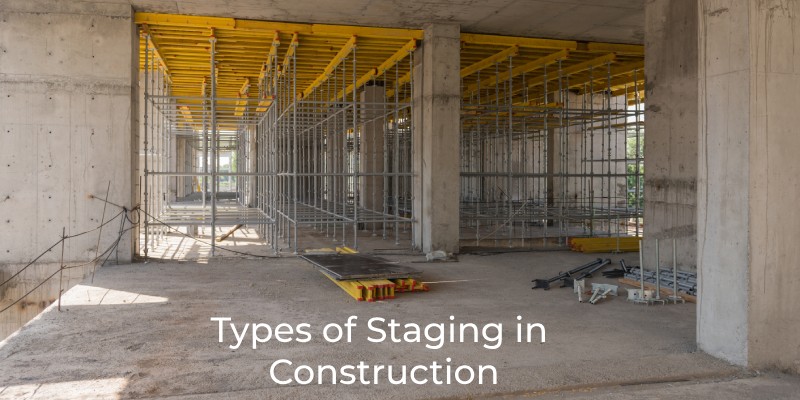
Development staging performs a pivotal function in making certain the sleek development of constructing initiatives. It includes the availability of platforms and buildings to help staff, supplies, and gear throughout building, upkeep, or restore actions. Understanding the several types of staging in Development is essential for mission managers, architects, and building staff to make sure security, effectivity, and cost-effectiveness all through the development course of.
Understanding Staging in Development
Within the realm of Development, staging refers back to the non permanent buildings erected to facilitate building actions. These buildings present secure working platforms for staff, permitting them to entry varied heights and areas of a constructing beneath Development. Staging additionally ensures the secure dealing with and storage of building supplies and gear.
Significance of Completely different Forms of Staging in Development Initiatives
Efficient staging is important for a number of causes:
- It enhances employee security by offering secure platforms for work at heights.
- It improves productiveness by enabling environment friendly entry to completely different areas of a building website.
- It facilitates the sleek movement of supplies and gear, lowering downtime and delays.
- It helps high quality management measures by offering safe platforms for correct installations and finishes.
Completely different Forms of Staging in Development
Let’s discover Completely different Forms of Staging in Development:
1. Scaffolding
Scaffolding is without doubt one of the most typical varieties of staging utilized in Development. It consists of non permanent buildings fabricated from metal, aluminium, or timber that present entry to elevated areas of a constructing.
Benefits:
- Supplies versatile entry to completely different areas of a constructing.
- It may be custom-made to suit varied shapes and buildings of assorted sizes.
- Gives stability and security when erected appropriately.
Disadvantages:
- Requires expert labour for meeting and dismantling.
- It may be time-consuming to arrange, particularly for advanced buildings.
- Might hinder adjoining areas of the development website.
Single Scaffolding
Single scaffolding, also referred to as bricklayer scaffolding, is usually used for brick masonry work. It consists of a single row of requirements, that are vertical posts with ledgers, putlogs, and horizontal braces.
Double Scaffolding
Double scaffolding generally provides extra stability than single scaffolding and is a frequent alternative for stone masonry work. It consists of two rows of requirements with ledgers, putlogs, and horizontal braces.
Cantilever Scaffolding
Cantilever scaffolding helps building actions when floor help isn’t possible. It extends horizontally from a wall or vertical floor, counting on needles and struts for help.
2. Formwork
Formwork, generally known as shuttering, helps the burden of concrete till it units and features enough energy to help itself. Development staff use timber, metal, or aluminium to create formwork, which they typically prefabricate for simple meeting.
Benefits:
- Supplies a clean end to concrete surfaces.
- Gives flexibility within the design and form of concrete parts.
- It may be reused a number of instances, lowering total prices.
Disadvantages:
- The preliminary value of supplies and setup could be excessive.
- Requires cautious planning and coordination with concrete pouring schedules.
- Heavy formwork could require specialised gear for dealing with.
Timber Formwork
Timber formwork is a typical alternative for small-scale building initiatives or conditions the place price range constraints are a priority. It provides a light-weight and easy-to-handle resolution that may be fabricated on-site.
Metal Formwork
Metal formwork is sturdy, reusable, and appropriate for large-scale building initiatives. It supplies a clean end to concrete surfaces and could be shortly assembled and dismantled.
Aluminum Formwork
Aluminium formwork is light-weight, corrosion-resistant, and supreme for high-rise building initiatives. It provides excessive precision and allows speedy building cycles.
3. Trestle Staging
Trestle staging consists of horizontal platforms supported by trestles or A-frame buildings. It’s generally used for portray, plastering, or different ending works at decrease heights.
Benefits:
- Value-effective resolution for low-height building duties.
- Simple to arrange and dismantle with out the necessity for heavy equipment.
- Supplies secure platforms for portray, plastering, and ending works.
Disadvantages:
- Restricted peak vary in comparison with different staging sorts.
- It is probably not appropriate for tall or advanced buildings.
- Requires common inspection and upkeep to make sure stability.
4. Suspended Staging
Suspended staging is used when entry from the bottom is proscribed or not possible. It includes suspending platforms from overhead buildings or help programs.
Benefits:
- Gives entry to elevated areas the place floor help is just not possible.
- Maximizes usable house on the development website.
- Supplies flexibility in positioning and motion for varied duties.
Disadvantages:
- Requires cautious planning and engineering to make sure structural integrity.
- Increased danger is concerned because of working at heights.
- Operators and staff could also be required to bear specialised coaching.
Single-Level Suspension
Single-point suspension staging is supported by a single wire rope connected to an overhead anchor level. It’s appropriate for light-duty upkeep or inspection duties.
Multi-Level Suspension
Multi-point suspension staging is supported by a number of wire ropes connected to unbiased anchor factors. It supplies larger stability and load-bearing capability, making it appropriate for heavy-duty building actions.
Components to Contemplate When Selecting the Proper Staging for a Development Venture
When choosing staging for a building mission, mission managers should think about a number of elements, together with:
- Venture Scope: Assess the dimensions, complexity, and period of the development mission to find out probably the most appropriate resolution.
- Finances Constraints: Contemplate the price of supplies, labour, and gear required for every choice.
- Timeline: Consider the mission timeline and deadlines to make sure you can arrange and take away them effectively with out delaying building progress.
- Website Circumstances: Take into consideration site-specific elements equivalent to terrain, entry, and current buildings when choosing choices.
- Security Necessities: Prioritize employee security by selecting that meets or exceeds security requirements and rules.
- Environmental Impression: Contemplate the environmental footprint of supplies and practices, choosing sustainable options the place doable.
- Flexibility and Adaptability: Select one that may adapt to adjustments in mission necessities or sudden challenges throughout Development.
Security Measures and Rules for Staging
- Common Inspections: Conduct routine inspections of buildings to determine any indicators of harm or put on.
- Correct Coaching: Be certain that all staff obtain correct coaching in safely assembling, utilizing, and dismantling gear.
- Private Protecting Tools (PPE): Present staff with acceptable PPE, together with onerous hats, security harnesses, and non-slip footwear.
- Fall Safety: Set up guardrails, toe boards, and security nets to forestall falls from elevated platforms.
- Load Limits: Adhere to weight limits specified for every sort to forestall overloading and structural failure.
- Regulatory Compliance: Observe native rules and business requirements for the design, meeting, and use of buildings.
- Emergency Procedures: Set up clear procedures for responding to accidents, emergencies, and evacuations on building websites.
Conclusion
Understanding the several types of staging in Development is essential for making certain the protection, effectivity, and cost-effectiveness of constructing initiatives. By rigorously evaluating mission necessities, contemplating varied staging choices, and adhering to security rules, building professionals can mitigate dangers, optimize sources, and ship high-quality outcomes.
FAQs
What’s the function of staging in Development?
Staging in Development supplies non permanent help and entry for staff, supplies, and gear throughout constructing initiatives.
How do I select the suitable staging for my building mission?
Contemplate elements equivalent to mission scope, price range, timeline, website situations, and security necessities when choosing staging for a building mission.
What are some frequent security measures for building staging?
Security measures for building staging embrace common inspections, correct coaching for staff, use of non-public protecting gear, and adherence to security rules.
Can we reuse staging for a number of initiatives?
Relying on the sort and situation of staging, it might be doable to reuse staging for a number of initiatives, which might supply value financial savings and environmental advantages.
Are there any rules governing the usage of staging in Development?
Sure, there are rules and requirements that govern the design, meeting, use, and inspection of staging buildings to make sure employee security and compliance with business finest practices.